You're tired of surprise charges.
Pickup charges, equipment fees, fuel surcharges, admin fees. Every month brings another line item—and no clear explanation.
For manufacturing facilities spending thousands every month on waste
Most manufacturers are paying to haul away material someone else would gladly buy. You could be losing thousands every month—even with a recycler already in place.
Sound familiar?
Pickup charges, equipment fees, fuel surcharges, admin fees. Every month brings another line item—and no clear explanation.
They'll take the cardboard. Everything else ends up in the dumpster, and you keep paying to haul it away.
How much actually gets recycled? How much hits a landfill? Most facilities simply don't know where it all goes.
Pallet wrap, scrap metal, aluminum, broken pallets. Your instinct is right: some of it should be worth something.
If even one of these sounds familiar, you could be paying for your waste twice: once to haul it away, and again in the value you never get back.
Your waste has a value
You know what your raw materials, labor, and electricity cost.
But do you know what your waste is worth?
Most manufacturers are paying to haul away materials that someone else would gladly buy.
What your waste could become
Companies across the country are actively looking for materials food manufacturers throw away. Here is what some of our clients' “waste” is turning into right now.
Plastic film is sold to building-material companies that turn it into composite deck boards.
Seafood byproduct sold to specialty leather manufacturers for wallets, bags, and accessories.
Sold to biofuel producers instead of paying to dispose of it.
Drained, crushed, and sent straight to recycling. At one food manufacturer, that change alone was worth more than $400,000 a year.
The trick is knowing what you have, who will buy it, and how to get it to them. That’s exactly what we do.
There may be value hiding in materials that are already leaving your facility every day.
See Where I Could SaveCity Brewing case study
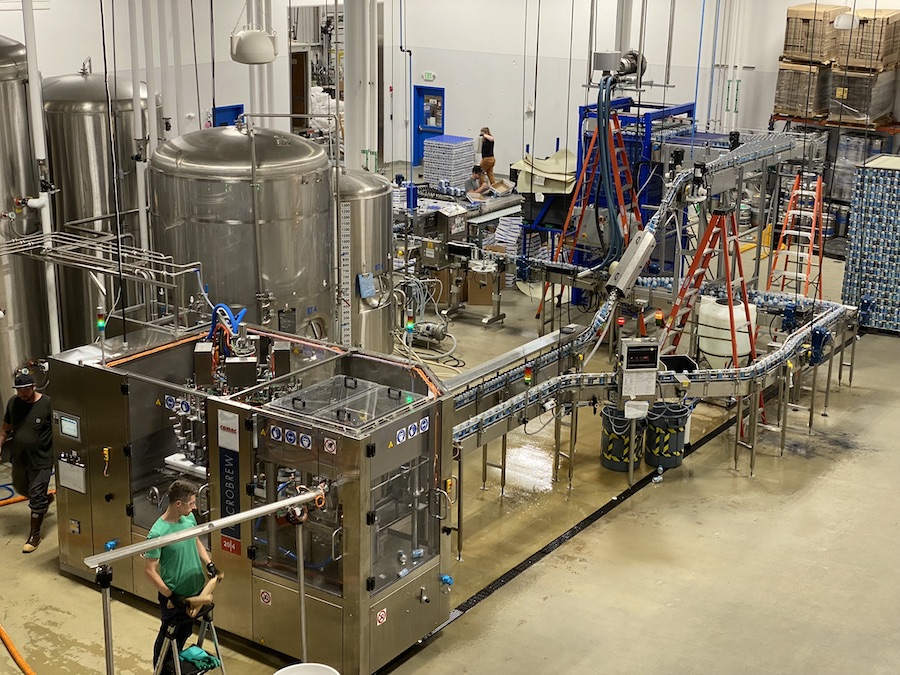 A better waste program starts within the facility.
The problem
City Brewing was generating about 500 tons of garbage every month. Roughly 95% went straight to a landfill, and its waste bill had climbed to $80,000 a month.
The opportunity was already sitting inside their facility. They just needed someone to put the pieces together.
How it works
A straightforward system built to find savings and run without adding another project to your team’s workload.
We look at what is going into your dumpsters and every line on your waste bills—what materials you have, how much, where they go, and what you are paying.
Once we know what you are throwing away, we find better homes for it: buyers who will pay, lower-cost options for what cannot be sold, and the right equipment to make it work.
We track what is collected, where it goes, and what it costs or earns you month after month. You get simple reporting on what is improving the bottom line.
Your waste general contractor
You could try to coordinate every moving part yourself. Or you could have one experienced team put the right pieces together.
The hard way
The iSustain way
What we actually do
Clear, on-the-ground work—not vague categories or technical jargon.
We flag overcharges, extra pickups, price increases, and fees you should not be paying.
We identify what is really in the material stream and where value is being missed.
We manage haulers and recyclers so you do not have to become their project manager.
We source balers, compactors, crushers, and containers that fit the operation—not a generic plan.
We show weights, dates, costs, and revenue by material so the picture stays clear.
Proof from the floor
Use short client videos or approved written quotes here to let operations leaders tell the story in their own words.
“Add an approved customer quote about the operational difference here.”
“Add an approved customer quote about the financial impact here.”
“Add an approved customer quote about how easy the program is to run.”
Review note: placeholders intentionally remain until approved client testimonials and releases are supplied.

Meet the founder
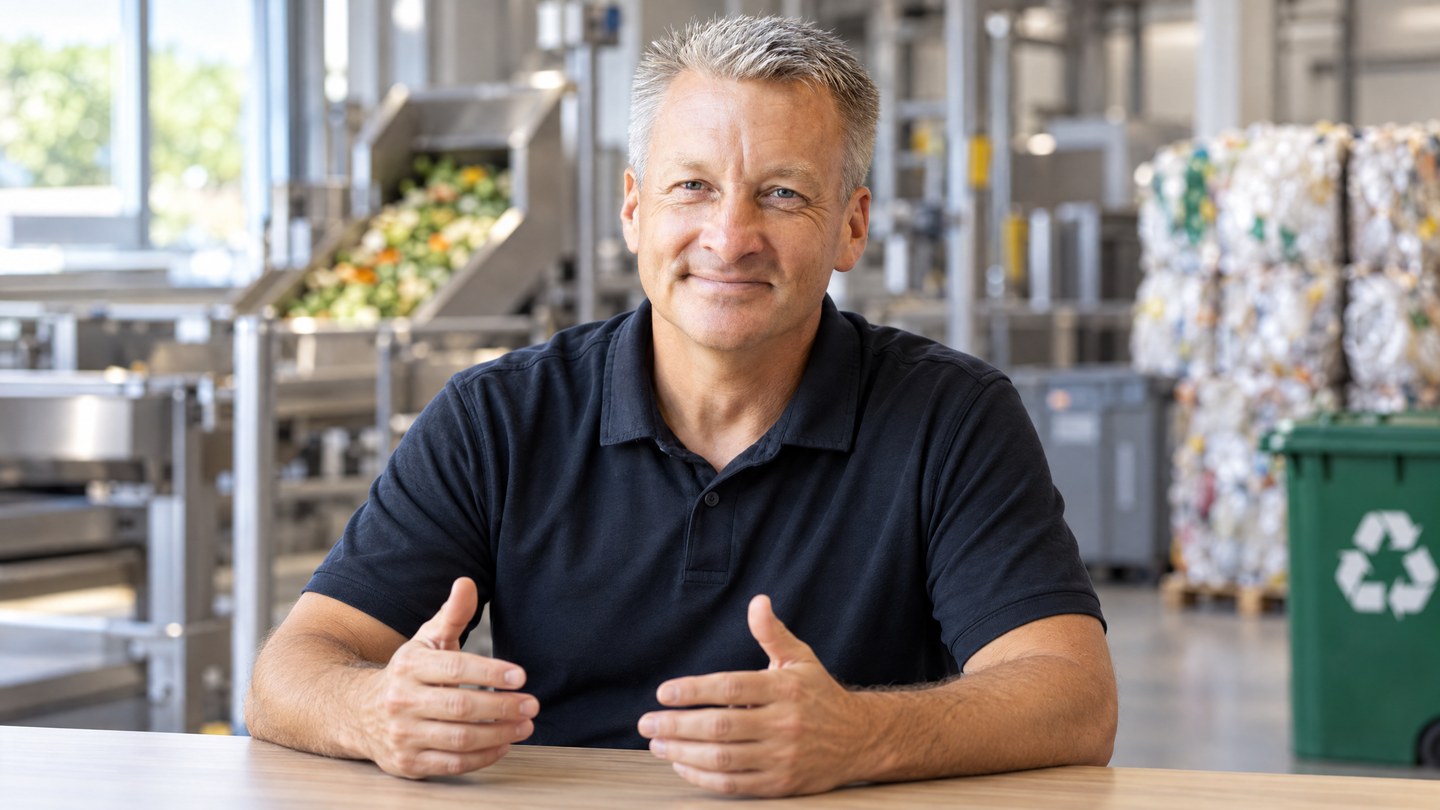
Mark Huber, Co-Founder, iSustain
Before getting into recycling, Mark spent years leading chemical and food-ingredient manufacturing operations. He knows what it is like to manage a facility where every cost matters—and waste is the line item nobody has time for.
With more than a decade in waste and recycling, plus a chemical engineering degree and Six Sigma training, he helps build practical programs that make sense for the operation and the bottom line.
iSustain is built differently: when the customer saves money, everybody wins.
“You’ll get honest answers, and if we can’t help, we won’t waste your time pretending we can.”
FAQ
The answers people need before they decide to take the first call.
Yes. Most of our clients already have one. Our work sits on top of it, finding the materials and savings most recyclers miss because they are not looking for them. At City Brewing, we worked with the existing provider and still found hundreds of thousands of dollars a year.
That is exactly why we exist. We do the research, planning, vendor coordination, and ongoing management. You get the savings without adding another project to your team’s plate.
Fair question, and sometimes they are not. But most waste programs are built to do one thing: get rid of waste. Ours looks at your whole operation, so the numbers are usually bigger than people expect. If your program is already running efficiently, we will tell you on the first call.
You would be surprised. We have found homes for plastic film, metals, food waste, adhesive-backed labels, and branded packaging. Some materials can be sold. Others can be handled for less or turned into alternative fuel. It depends on what you have, which is why the first step is a conversation.
It depends on your facility, how much waste you generate, and what you are spending now. Many projects land in the 30% to 40% range. City Brewing saw 68%. A 20-minute call is the fastest way to get a real answer for your facility.
Not to get started. Many clients begin with a few waste invoices and a video walkthrough of their site. If an on-site visit makes sense later, we will plan it with you.
A few recent waste and recycling invoices are helpful, but not required. A rough idea of what goes into your dumpsters is plenty to start.
We make money when you save money, so our goals line up with yours. We will walk you through exactly how fees work on the call.
It goes where it is supposed to, and we can show you. We provide secure product destruction and track where materials end up, so your brand does not surface in a resale market or somewhere it should not.
Yes. We work with facilities across the country through our network of recycling and processing partners.
Open the lid
You work hard to protect margins, improve the operation, and make every supplier accountable. Right now, you could be sending thousands of dollars to a landfill every year without knowing it.
Let’s find out what your waste is really worth.
On your free 20-minute call, we’ll:
Choose a date and time to continue.